

HEPA Filter Hand Dryers
In commercial restrooms where hygiene standards are elevated, airflow quality matters just as much as drying speed. A HEPA filter hand dryer is designed to improve both. By filtering air before it reaches the user’s hands, these units help reduce the circulation of fine particles while maintaining fast, efficient drying performance.
At Berl’s Commercial Supply, we carry hand dryers with HEPA filter systems built for demanding environments. Each hand dryer with HEPA filter technology is engineered to capture 99.97% of airborne particles at 0.3 microns, helping support cleaner restroom conditions in healthcare facilities, corporate offices, schools, and food service settings.


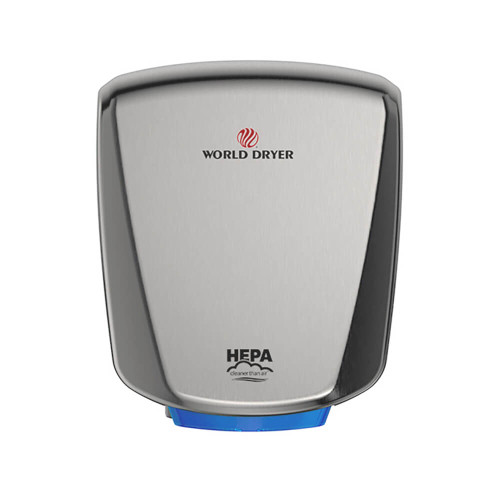


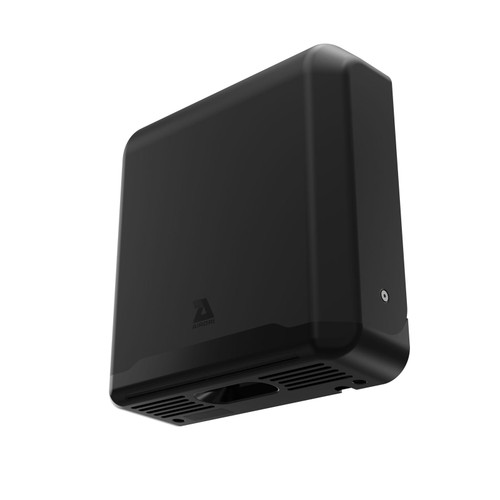
How a HEPA Filter Hand Dryer Works
A HEPA filter hand dryer draws ambient air into the unit, passes it through a High Efficiency Particulate Air filter, and then directs the filtered air onto the user’s hands. This process helps remove fine dust, bacteria, and other microscopic particles before the air is recirculated.
In high-traffic restrooms, this filtration step can support broader cleanliness initiatives. While standard dryers move unfiltered air, hand dryers with HEPA filter systems add an extra layer of environmental control without sacrificing speed.
Key Benefits for Commercial Facilities
Facilities that prioritize hygiene often select a hand dryer with HEPA filter technology for several reasons:
- Captures 99.97% of particles at 0.3 microns
- Supports improved air quality at the point of use
- Maintains high-speed or fast dry performance
- Reduces paper towel consumption and waste handling
- Enhances user confidence in shared restroom spaces
These benefits make HEPA-equipped units particularly valuable in environments where cleanliness standards are closely monitored.
Ideal Environments for HEPA-Equipped Dryers
Healthcare clinics, outpatient centers, and laboratories frequently specify HEPA filter hand dryer models to align with infection control practices. Food processing and food service facilities also benefit from added air filtration in employee restrooms.
Corporate offices and educational institutions increasingly choose hand dryers with HEPA filter systems as part of broader indoor air quality initiatives. In these settings, the goal is not only performance but also reinforcing a commitment to cleaner shared spaces.
Maintenance and Long-Term Performance
Maintaining a HEPA filter hand dryer involves periodic filter replacement to ensure optimal filtration efficiency. Most commercial units are designed with accessible service panels, allowing maintenance teams to replace filters quickly and return the dryer to operation with minimal downtime.
Berl’s Commercial Supply stocks hand dryers with HEPA filter systems selected for durability, efficient energy use, and consistent drying power. Each unit is built for commercial use, with heavy-duty housings and reliable internal components that stand up to daily traffic.
For facilities seeking a balance between high-speed drying and enhanced air filtration, a hand dryer with HEPA filter technology provides a dependable, long-term restroom solution.
Sanitizing Hand Dryer Technology
Some advanced hand dryers go beyond filtration by incorporating active sanitizing technology. Instead of only filtering incoming air, these units generate germ-neutralizing molecules that help reduce bacteria and viruses in the drying air stream.
For example, certain commercial models use cold plasma technology, which releases reactive particles that break down microorganisms at the molecular level. This process has been shown in laboratory testing to eliminate up to 99.99% of common bacteria and viruses in the drying air and on nearby surfaces.
Unlike systems that rely on chemicals or disinfectant sprays, sanitizing hand dryers operate continuously during use and require no additional consumables. This allows facilities to enhance restroom hygiene while maintaining the convenience and speed of touchless hand drying.
Sanitizing dryers are often installed in healthcare environments, food service facilities, and other locations where infection control and user confidence are especially important.