
Dyson Airblade Wash+Dry Combination Faucet and Hand Dryer
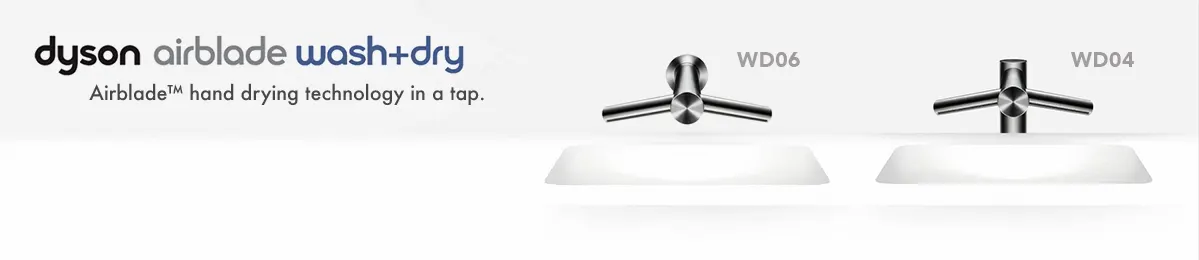
|
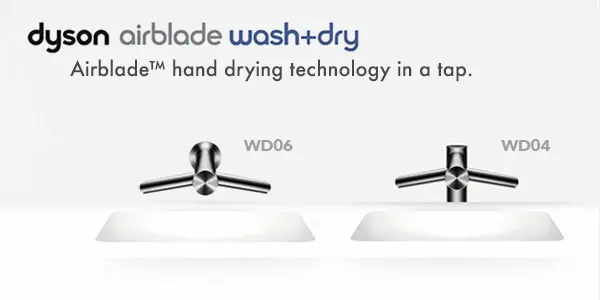
|
|
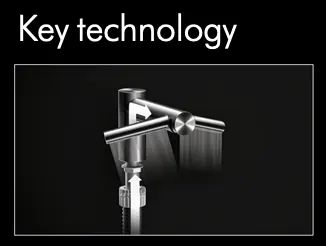
Airblade™ technology
Clean air from the HEPA filter is forced at 331mph through apertures 0.02 in wide,
scraping water from hands, quickly and hygienically. |

|
|
Dries hands at 331mph with the Dyson digital motor V4
The Dyson digital motor V4 uses digital pulse technology to spin at up to
81,000 rpm - three times faster than a conventional motor. So it can draw
up to 5.5 gallons of air per second through the machine. |
|
|
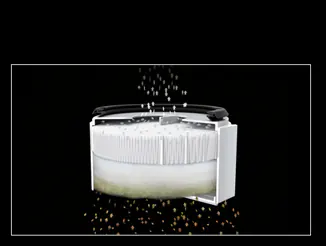
HEPA-filtered air
The HEPA filter captures 99.97% of particles, from restroom air, before it's
blown on to hands. |
|
|
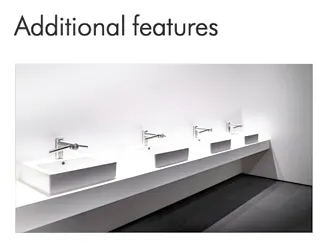
Have cleaner washrooms With Airblade™ technology in a tap, there's no need for users to move to a separate drying area, so no water is dripped on the floor. And with the space saving Dyson Airblade Wash+Dry hand dryer, there's room for extra restroom stalls and other facilities. |
|
|
Dry hands. In just 14 seconds The Dyson Airblade Wash+Dry hand dryer takes just 14 seconds to dry hands. So users spend less time in your restrooms, making busy times easier to manage. |
|
|
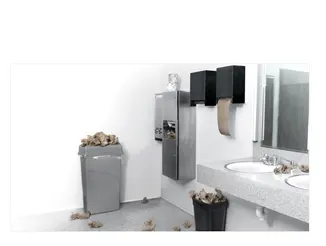
Less waste Up to 76% less expensive to run than other hand dryers. Up to 98% less than single-use paper towels, with up to 82% less CO₂ emissions. |
|
Save when you switch to Dyson hand dryers
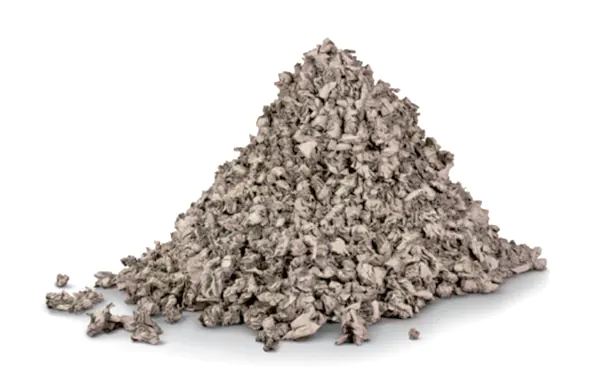
Reduce carbon emissions and running costs, with up to 88% less CO2.
Costs up to 99% less to run than paper towels. |
|
Save when you switch to Dyson hand dryers
Reduce carbon emissions and running costs, with up to 88% less CO2.
Costs up to 99% less to run than paper towels.
|
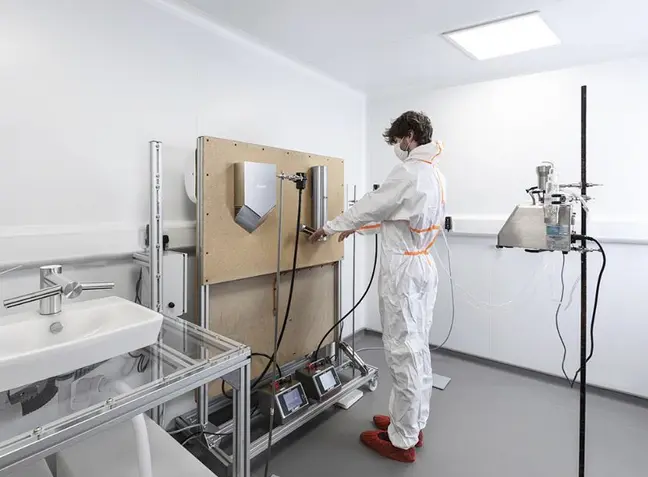
Hygienic and independently proven safe Touch-free. HEPA-filtered. No paper waste.
Dyson Airblade™ hand dryers have been independently proven to aerosolize
no more than paper towels. |
|
Hygienic and independently proven safe
Touch-free. HEPA-filtered. No paper waste.
Dyson Airblade™ hand dryers have been independently proven to aerosolize
no more than paper towels.
Without the waste.

|
|
HACCP
The only hand dryer certified for use in food preparation environments,
by the HACCP International standards. |

|
|
Carbon Trust
Carbon Trust certifies that drying hands with a Dyson Airblade has a lower carbon
footprint per use than using warm air dryers or paper towels. |
Frequently Asked Questions
|
Can this product be used with any sink? |
|
The Dyson Airblade Wash+Dry hand dryer is compatible with a majority of sinks.
For confirmation and further information, please contact 855-720-6378 to speak
to a Dyson Expert. |
|
What is the difference between the Dyson Airblade Wash+Dry and the Dyson Airblade Tap hand dryer? |
|
The Dyson Airblade Wash+Dry has improved control over water usage and is quieter with
improved energy efficiency. |
|
Can Dyson support with the installation of this product? |
|
Yes. Please contact Dyson Experts at 1-855-720-6378 for support. |
|
How often should I change the HEPA filter? |
|
The lifecycle of the HEPA filter will depend on the air quality in your facility.
Generally speaking, we recommend every 2-3 years in a normal office environment.
If your environment is dusty or has lots of particulates in the air (for instance,
the kitchen of a bakery where lots of flour is used), it can be 6-12 months. And,
of course, any time you notice reduced airflow, it's a good time to examine
the filter and replace if necessary. |