
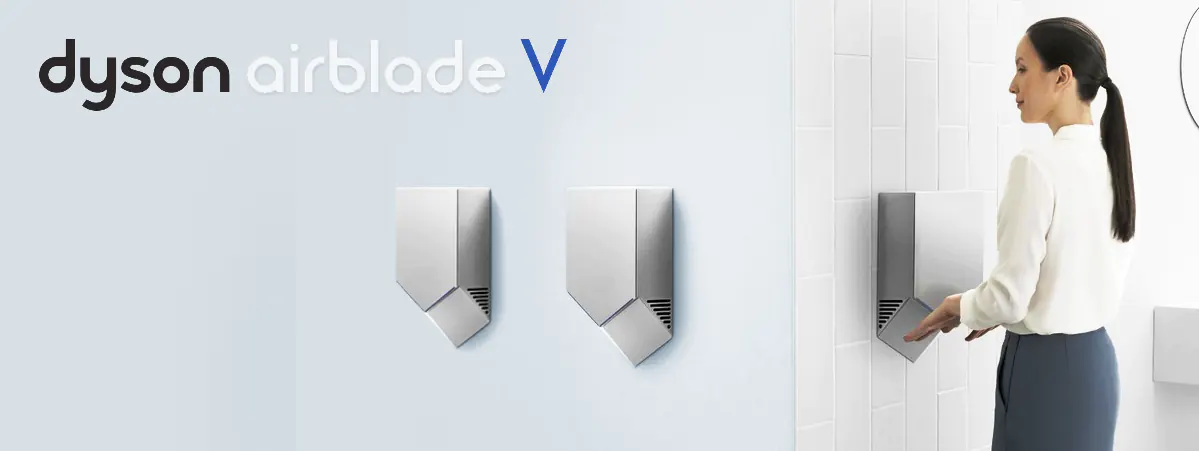
Dyson Airblade V Hand Dryer Features and Benefits
|
|
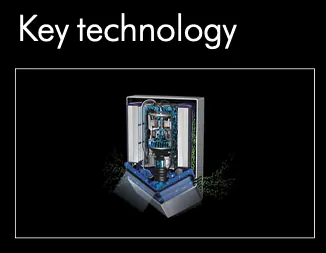
Airblade™ technology scrapes away water at 420mph
HEPA-filtered air is channelled up the machine by the motor, forcing sheets of
filtered air through precision apertures at high pressure. Water is scraped
from the hands at 420mph. |
|
|
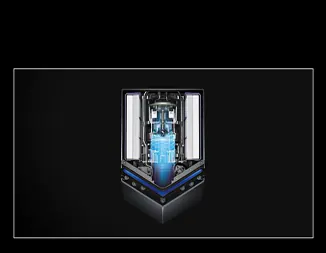
The Dyson digital motor V4
The reprogrammed Dyson digital motor V4 uses digital pulse
technology to draw up to 5.3 gallons of air per second through
the machine, for fast hand drying. |

|
|
HEPA-filtered air
Dyson Airblade™ hand dryers HEPA filters captures 99.97% of
particles³ before it's blown onto hands. So hands are dried
with cleaner air, not dirty air. |
|
|
Quick drying A reprogrammed motor and re-engineered airflows mean the Dyson Airblade V hand dryer is quieter than ever, yet still dries hands in just 12 seconds. |
|
|
30% quieter With reprogrammed software, the 1000W Dyson digital motor V4 makes the Dyson Airblade V hand dryer 30% quieter² than it's predecessor. |
|
|
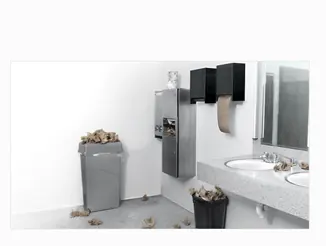
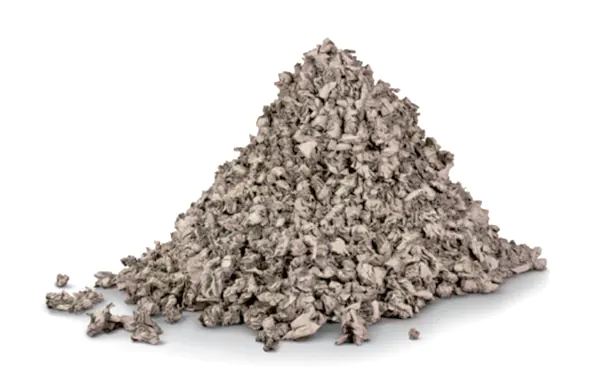
Less waste Up to 78% less expensive to run than other hand dryers. Up to 99% less than single-use paper towels, with up to 83% less CO₂ emissions. Creating a better environment in your restrooms and in the world outside. |
|
Save when you switch to Dyson hand dryers
Reduce carbon emissions and running costs, with up to 88% less CO2.
Costs up to 99% less to run than paper towels. |
|
Save when you switch to Dyson hand dryers
Reduce carbon emissions and running costs, with up to 88% less CO2.
Costs up to 99% less to run than paper towels.
|
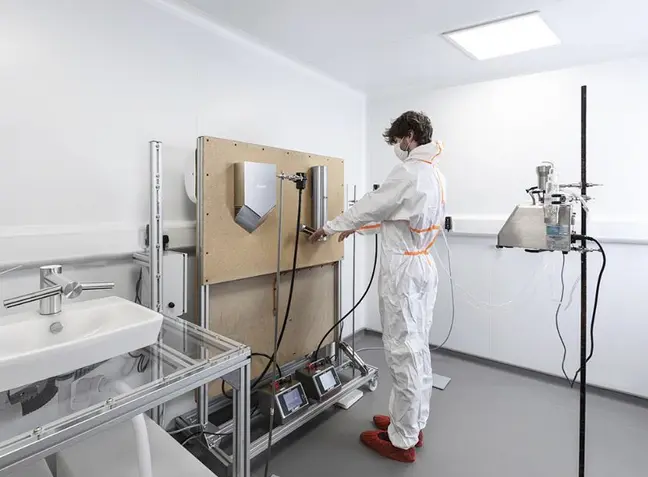
Hygienic and independently proven safe Touch-free. HEPA-filtered. No paper waste.
Dyson Airblade™ hand dryers have been independently proven to aerosolize
no more than paper towels. |
|
Hygienic and independently proven safe
Touch-free. HEPA-filtered. No paper waste.
Dyson Airblade™ hand dryers have been independently proven to aerosolize
no more than paper towels.
Without the waste.

|
|
NSF
The only hand dryer certified by the NSF International
Protocol P335. |

|
|
Carbon Trust
Carbon Trust certifies that drying hands with a Dyson Airblade has a lower carbon
footprint per use than using warm air dryers or paper towels. |
Frequently Asked Questions
|
Is this a warm air hand dryer? |
|
No. Warm air hand dryers can encourage the growth of bacteria
dried into hands. The Dyson Airblade V does not use heating
elements, and features a HEPA filter as standard that captures
99.97% of particles,³ from the restroom air, before they are
blown onto hands. |
|
Can this be used in an accessible restroom? |
|
The Dyson Airblade V hand dryer is ADA compliant. |
|
Do I need a backplate for this machine? |
|
Backplates are required for porous walls. |
|
How often should I change the HEPA filter? |
|
The lifecycle of the HEPA filter will depend on the air quality in your facility.
Generally speaking, we recommend every 2-3 years in a normal office environment.
If your environment is dusty or has lots of particulates in the air (for instance,
the kitchen of a bakery where lots of flour is used), it can be 6-12 months. And,
of course, any time you notice reduced airflow, it's a good time to examine
the filter and replace if necessary. |